How do Trench Drains Work Guide | Vodaland Canada
-
 13/10/26
-
 Vodaland Canada

Water drainage plays a vital role in upholding the integrity and safety of residential and commercial spaces. The repercussions of water accumulation are significant, ranging from structural harm to safety hazards.
At Vodaland Canada, we specialize in providing innovative drainage solutions that effectively manage water flow and prevent potential damage. In this article, we will delve into the world of Trench Drains - a versatile and efficient system that addresses modern drainage challenges.
Understanding water drainage challenges
Inadequate water drainage can cause a myriad of issues. Pooled water not only damages surfaces but also creates breeding grounds for pests and microorganisms. Surface water accumulation, especially after heavy rainfall or the Canadian spring thaw, poses a risk of erosion and foundation damage, which can cost thousands to rectify in severe cases.
This is where Trench Drains come into play. These systems are designed to swiftly and effectively redirect water away from critical areas, preventing water-related problems before they start.
What are Trench Drains?
Trench drains, also known as channel drains or linear drains, are a type of drainage system consisting of a narrow channel covered with a grate. Their primary purpose is to collect and channel surface water to prevent flooding and water damage. These systems are installed at ground level, making them inconspicuous while efficiently managing water flow. A typical system comprises the channel, a grate, and accessories like end caps or catch basins.
How does a Trench Drains work?
Trench drains operate on a simple yet effective principle. The channel captures surface water over its entire length. The water then flows through the channel - often aided by a built-in slope - and is directed to a discharge point, such as a storm sewer or rain garden. The grated cover ensures that debris and sediment do not clog the system, allowing water to flow freely.
Benefits of Trench Drains
- Broad collection area: The linear form allows them to collect water over a wider surface area compared to conventional point drains, significantly reducing the risk of pooling.
- Safety: These systems play a pivotal role in enhancing safety by eliminating the hazard of standing water, which often leads to slips and falls, particularly when it turns to ice.
- Environmental protection: Trench drains prevent water runoff from carrying pollutants into natural water bodies by intercepting surface water and channeling it to proper treatment or disposal systems.
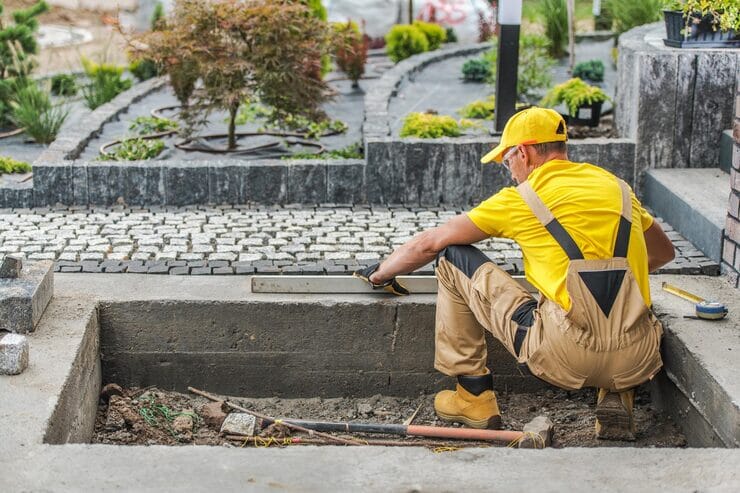
- Ease of installation: The process to install Trench Drains is relatively straightforward, involving excavation, placement of the drain, and proper backfilling. This efficiency saves both time and resources for homeowners and contractors alike.
Different types of Trench Drains systems
Within the category of Trench Drains, there is a great degree of variance based on size and material construction. These characteristics inform what application a particular drain is suited for.
For example, industrial Trench Drains are engineered to handle heavy loads and demanding applications. These robust systems, often featuring concrete or heavy-duty polymer channels, are designed for high-pressure requirements, making them ideal for areas with frequent heavy traffic, such as loading docks or warehouses.
Load classes
Load classes define the maximum weight a Trench Drains can support without compromising its structural integrity. Understanding these is vital for choosing the right system:
-
A - 3,300 lbs: Pedestrian traffic, walkways, and patios.
-
B - 27,500 lbs: Residential driveways and light vehicular traffic.
-
C - 55,000 lbs: Commercial areas and delivery truck zones.
-
D - 88,000 lbs: Heavy-duty industrial traffic and main roads.
-
E - 132,000 lbs: Industrial facilities with forklifts and heavy machinery.
-
F - 198,000 lbs: Airports and specialized high-load environments.
Versatile grating options
The relationship between grating type and load class is critical. At Vodaland, we offer a variety of materials to match your aesthetic and functional needs:
-
Plastic: Light-duty and cost-effective.
-
Galvanized stamped steel: Durable and economical for residential use.
-
Stainless steel: Highly corrosion-resistant and aesthetically modern.
-
Ductile cast iron: The standard for high-load, heavy-traffic areas.
-
Brass and copper: Decorative options that offer a premium finish.
For instance, in areas with heavy equipment like forklifts, a higher load class with ductile cast iron grates is required. Conversely, for a backyard patio, a plastic or stainless steel grate (Load Class A) is often the most suitable choice.
Vodaland's Trench Drains solutions
At Vodaland Canada, we offer a range of high-quality solutions, including specialized features like heel-proof grates for public safety. Our systems are engineered for efficiency, durability, and seamless integration into your property.
Whether it's a residential driveway or an industrial facility, we have the right Trench Drains system to manage your water drainage effectively.
With our expertise, quality materials, and dedication to customer needs, we provide a comprehensive range of drainage solutions that ensure your space stays safe and dry. Don't let water woes dampen your property – partner with Vodaland for effective and reliable drainage solutions.