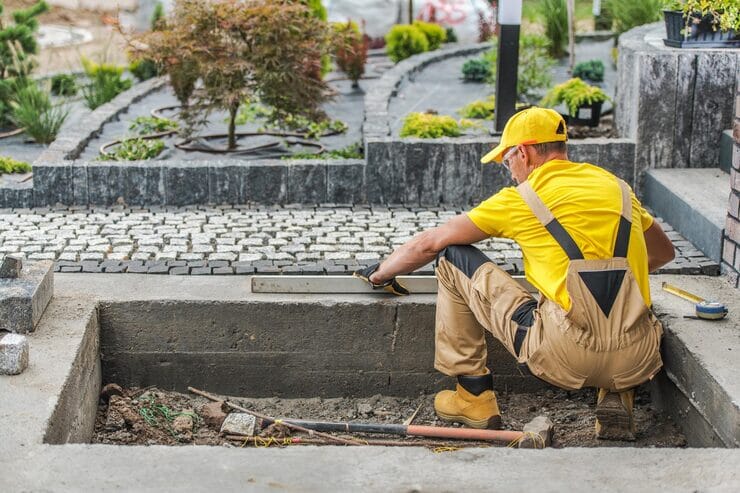
Polymeric Sand Technical Overview & Benefits | Vodaland Canada
-
 13/10/26
-
 Vodaland Canada

Paver and hardscape installations require a reliable jointing material to ensure the long-term durability and stability of the structure. Polymeric sand has emerged as an innovative solution that offers numerous benefits over natural sand. If you are curious about what Polymeric sand is and how it can revolutionize your next project, this guide explores the essential applications and advantages of this high-performance material.
Understanding Polymeric Sand
Purchasing Polymeric sand for paver installations offers unparalleled benefits for the Canadian homeowner. This section explores the composition and functions that make this material a staple for modern outdoor projects.
Definition and composition
Polymeric sand, often referred to as jointing sand or hardscape sand, is a specialized material designed specifically for filling the gaps between pavers. It consists of a calibrated blend of fine and coarse sand particles. What truly sets it apart is the inclusion of specialized additives that act as catalysts. When water is added, these polymers activate and turn the sand into a powerful binding agent, ensuring that the joints remain solid and secure.
Function and benefits
The primary purpose of Polymeric sand is to stabilize the pavers, creating a solid foundation that can withstand the heavy foot traffic and changing seasons. By completely filling the joints, it effectively prevents the shifting and "creeping" of pavers.
Beyond stabilization, Polymeric sand acts as a protective barrier that inhibits weed growth and prevents ant hills from forming between the stones. This allows you to enjoy a low-maintenance hardscape that remains tidy for years. Additionally, it elevates the overall aesthetics of your outdoor space by providing uniform joint lines and a clean, sophisticated finish.
Differentiating Polymeric sand from regular sand
Polymeric sand is a true game changer when compared to the traditional sand used in older jointing methods. While regular sand can wash away during heavy rain or be blown out by leaf blowers, Polymeric sand stays locked in place.
Its remarkable binding properties allow the installation to survive unpredictable weather conditions and heavy loads. The weed prevention capabilities are also far superior; while regular sand provides a perfect bedding for seeds to germinate, the hardened polymers in jointing sand create an inhospitable environment for unwanted vegetation.
The process of installing Polymeric sand
Proper installation is key to ensuring the sand performs as intended. This process covers everything from surface preparation to final curing.
Preparation and application
Before applying the sand, you must ensure that the paver surface and the joints are completely dry. Use a broom to sweep the Polymeric sand across the joints, ensuring they are filled to about 1/8 inch below the paver surface. Once the joints are full, a leaf blower should be used on a low setting to remove every trace of sand dust from the top of the pavers. This is a critical step to prevent "hazing," where the polymers bond to the surface of the stone rather than just the joints.
Activation and curing
Activation is the stage where the magic happens. A light mist of water is applied to the joints, which triggers the binding agents. It is important to shower the area in stages, ensuring the water penetrates the full depth of the sand without washing it out of the joints. Once activated, the curing phase begins. The sand will harden as it dries, and it is essential to follow the manufacturer's recommended drying time—typically 24 to 48 hours—before allowing traffic on the surface.
Tips for using Polymeric sand effectively
To achieve professional results, keep these expert tips in mind:
-
Proper joint fill: Always sweep the sand diagonally across the surface. This ensures the sand is packed tightly into the joints rather than just sitting on top.
-
Managing excess dust: Any Polymeric dust left on the surface of the pavers will harden once it gets wet. Always use a leaf blower to clear the surface thoroughly before you begin the water activation process.
-
Weather timing: Never install Polymeric sand if rain is forecasted within 24 hours. The sand needs a dry period to cure properly after the initial activation.
Take your paver projects to the next level with Vodaland Canada
Polymeric sand is a superior choice for any homeowner looking for longevity and visual appeal. Whether you are creating a new patio, a functional walkway, or a stunning driveway, this material provides the stability and weed protection that traditional sand simply cannot match.
At Vodaland Canada, we pride ourselves on delivering cutting-edge terrain management and paving solutions. Our commitment to excellence ensures that you receive products that exceed your expectations. We are here to support you throughout your project, from the initial design to the final installation.
If you have questions about which jointing material is right for your specific paver type, or if you are ready to start your next landscape transformation, contact us today.