Can you lay Gravel Grids on Soil Guide | Vodaland Canada
-
 13/10/26
-
 Vodaland Canada

When it comes to creating driveways and surfaces that are both aesthetically pleasing and durable, gravel grids have emerged as a game changer. By using innovative terrain solutions like gravel grids, you can transform ordinary surfaces into stable and visually appealing spaces. Whether you are a homeowner looking to enhance the curb appeal of your driveway or a contractor seeking reliable and cost-effective solutions, gravel grids offer a versatile and sustainable option.
But can you lay gravel grids on soil? In this article, we will explore the fascinating world of gravel grid systems, their advantages, and why they are ideal for soil applications. Get ready to elevate your outdoor spaces with the power of gravel grids.
Understanding gravel grid systems
Gravel grids are ingeniously designed structures that provide a solid foundation for installing gravel driveways and surfaces. These grids consist of interlocking circular cells that create a sleek framework, holding the gravel in place while allowing for effective water drainage.
Beyond water drainage and pleasing aesthetics, these systems offer excellent load-bearing capacity. This ensures that your driveway or surface can withstand heavy traffic without compromising its integrity. Gravel grids also significantly reduce gravel migration, keeping your surface intact and minimizing the need for frequent maintenance. With enhanced stability and improved water drainage, gravel grids are a practical and reliable solution for creating durable and visually appealing gravel surfaces.
At Vodaland Canada, we have harnessed over 20 years of expertise to develop top quality ground grids and paver systems that redefine terrain management. Our innovative solutions incorporate cutting edge technology and rigorous quality control measures, ensuring that our customers receive the highest standard of products for their projects.
Why gravel grids are ideal for soil
Laying gravel directly on soil poses several challenges. The uneven surface of the soil and its inherent tendency to shift can lead to an unstable gravel surface. This results in an uneven driveway that requires constant maintenance. This is where gravel grid systems shine.
Gravel grids offer an elegant solution by eliminating the common issue of gravel shifting. By providing a stable framework that holds the gravel in place, these grids ensure a durable and hassle-free surface that stands strong over time. Say goodbye to the frustration of constantly readjusting gravel and embrace a long-lasting, low-maintenance solution.
Gravel grid installation process
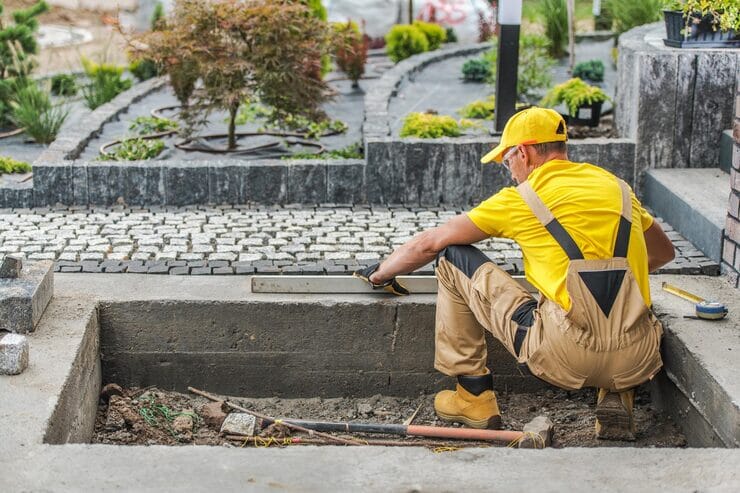
Installing gravel grids on soil is a straightforward process that requires careful planning and execution. Follow these key steps to ensure a successful installation:
-
Site assessment and preparation: Before beginning, assess the site to identify any potential obstacles or drainage issues. Clear the area of any vegetation, rocks, or debris, and ensure proper grading for water runoff.
-
Groundwork and foundation: Prepare a stable foundation by compacting the soil and creating a level surface. This preparation ensures optimal load distribution across the grid system and minimizes the risk of future settling.
-
Grid placement: Once the surface is prepared, lay the gravel grids evenly to ensure precise alignment and interlocking of the cells. Take care to trim the grids with a saw if needed to fit the desired area.
-
Gravel filling: After the grids are laid and aligned, fill them with your preferred gravel material. Pour the gravel onto the grids, ensuring an even distribution and filling each cell thoroughly. Use a rake or broom to level the gravel to the desired height.
Maintenance and long-term considerations
Once your gravel grid system is installed, it requires minimal maintenance to keep it in optimal condition.
-
Regular inspection: Periodically inspect the system for any signs of damage or gravel displacement. Address any issues early to avoid further damage.
-
Weed control: Keep an eye out for weed growth and remove them as soon as they appear. This maintains the neat appearance of your surface and prevents roots from undermining the grids.
-
Surface raking: Use a rake to level the surface and redistribute any displaced gravel. This maintains an even and smooth surface for your driveway or walkway.
-
Drainage maintenance: Ensure that the drainage channels within the grid system remain clear of debris. This prevents water from pooling and improves overall drainage efficiency.
Are gravel grids worth installing?
By utilizing gravel grids on soil surfaces, you can enjoy long term benefits such as reduced maintenance costs, improved surface stability, and enhanced aesthetics. The investment in a gravel retention system pays off over time, providing you with a reliable and visually appealing surface for years to come.
Experience the future of gravel surfaces with Vodaland Canada
Gravel grids offer an excellent solution for laying driveways and surfaces on soil. They overcome the challenges of gravel retention and provide stability, durability, and improved load-bearing capacity. By following the guidelines provided in this article, you can ensure a successful installation that stands up to the elements.
At Vodaland Canada, we are passionate about reinventing the environment through our innovative solutions. We offer a complete range of gravel driveway grid systems and accessories designed to meet your specific needs and enhance the longevity of your projects. Start your journey towards a more stable and sustainable outdoor space today by reaching out to our team for a consultation.