How to install a Catch Basin | Vodaland Canada
-
 13/10/26
-
 Vodaland Canada

If you have ever experienced standing water in your yard or driveway after a heavy rainstorm, you know how frustrating poor drainage can be. One of the more effective landscape drainage solutions is to install a catch basin drainage system. This system collects excess water and directs it away from your property.
In this article, we will go over the basics of how to install catch basins, including the tools and materials you will need and the steps involved in the process.
Pre-Installation Preparation
Before you start your catch basin installation, it is important to make sure you have all the required tools and materials. Here is a list of what you will need:
- Catch basin and grate
- PVC pipes (3 to 4 inches in diameter for most residential uses)
- PVC glue and silicone caulk
- Trenching shovel
- Safety goggles and work gloves
Once you have the necessary equipment, it is time to prepare the site. Choose the location where you want to install the catch basin. This should be a spot where excess water tends to accumulate, such as at the bottom of a slope or in a low lying area.
Next, mark out the area where you will be digging. Use spray paint or stakes and string to create a perimeter around the site. The depth and dimensions of the excavation will depend on the size of your catch basin, so refer to the manufacturer instructions for guidance.
Excavation
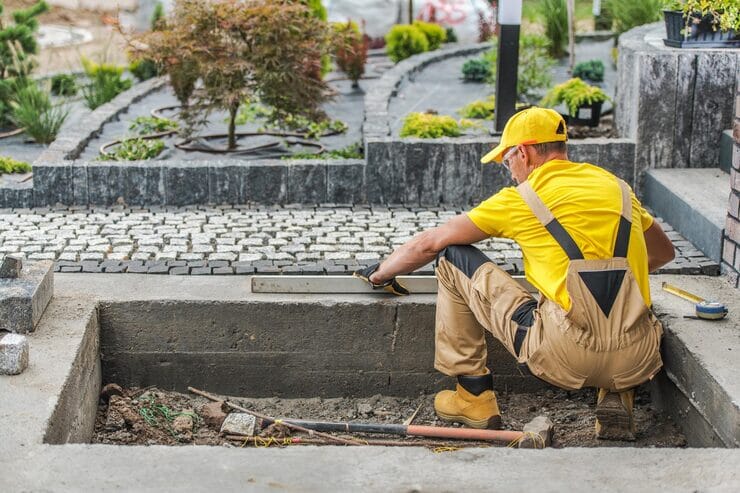
Use a trenching shovel to remove the soil from the marked out area. Be sure to dig your hole 6 to 12 inches deeper than the depth of your basin. As you dig, be mindful of any obstacles you might encounter, such as rocks or tree roots.
Next, you will need to dig a trench that slopes gently away from the catch basin and towards a safe location for water discharge. The trench should be about 7 to 10 inches wide and 18 inches deep to allow enough space for the drainage piping. A gradual slope of at least 1% ensures that water flows smoothly through the pipes. This prevents standing water or potential damage to your property.
Installation of the Catch Basin
Prepare the Weep Holes
To prevent standing water from accumulating in the catch basin itself, you should drill several small holes into the bottom of the basin. This allows any trapped water to seep out into the gravel base below between rain events. Simply flip the basin over and drill the holes using a standard drill bit.
Fill the Hole
Fill the extra 6 to 12 inches at the bottom of the hole with crushed gravel. This provides a stable base for the catch basin to rest on and helps with drainage. Once the gravel is in place, position the catch basin on top. Make sure the top of the basin is aligned with the ground level. The grate should sit slightly below the surrounding soil to allow water to enter easily.
Attach the Drainage Pipe
Next, attach the drain pipe to the outlet on the basin. Before making the connection, ensure that the area around the inlet is clean and dry. Apply a waterproof silicone where the pipe connects to the outlet on the basin. This creates a tight seal that prevents water from leaking into the soil immediately surrounding the basin.
Connect the Rest of Your Piping
After attaching the initial pipe, you will need to glue each section of the drainage pipe together until you reach your discharge point. Using PVC glue, apply a small amount to the end of each pipe section and connect them firmly. Once all sections are connected, ensure that the drainage pipe maintains its slope towards the designated drain point.
Finishing Touches
With the catch basin installed, it is time to test the system. Pour water into the basin and watch as it flows through the drainage pipes. If you notice any standing water or slow drainage, you may need to adjust the slope of the pipes. Finally, fill any gaps between the basin and the ground with the excess soil from your excavation.
Maintenance
To ensure that your system continues to function properly, it is important to perform regular maintenance. This includes cleaning the basin grate and the debris basket to prevent clogs. Check the system periodically for any signs of damage or wear.
If you notice any drainage problems or standing water around the basin, address them promptly to prevent further damage to your property foundation. In addition to maintenance, you can also consider grading your yard to create a slope that directs water away from your home.
Discover Vodaland Canada for Effective Water Management
Installing a catch basin system is a powerful way to address poor drainage and excess water. By following these steps and performing regular maintenance, you can protect your home and your surrounding environment.
Vodaland Canada offers a wide range of drainage solutions to meet your specific needs. From our 10x10 catch basins to our heavy duty 12x12 square catch basins, we have you covered. If you need help finding the perfect solution for your property, contact us today. Our team of experts will be happy to assist you in selecting the right product for your project.