What are Catch Basins Drainage Guide | Vodaland Canada
-
 13/10/26
-
 Vodaland Canada

Effective water drainage is often underestimated until problems arise. Whether you're a homeowner or a business owner, poor water drainage can lead to various issues, from property damage to safety hazards.
That's where Catch Basins come into play. In this comprehensive guide, we’ll answer the question, “what are Catch Basins?” and explore their role in drainage systems—specifically why they are a vital investment for the Canadian climate.
Understanding water drainage issues
In Canada, inadequate water drainage is particularly problematic during the spring "freshet" (snowmelt) and heavy autumn rains. When water accumulates and doesn't flow away properly, it can lead to:
- Standing water: Puddles are not only unsightly but become breeding grounds for pests like mosquitoes.
- Property damage: Excess water can damage foundations through hydrostatic pressure and ruin expensive landscaping.
- Safety hazards: In our climate, standing water quickly turns into "black ice" as temperatures drop, creating significant slip-and-fall risks.
- Environmental impact: Improper drainage causes soil erosion and can carry surface pollutants into local waterways.
Being proactive about your yard drainage system is much more cost-effective than repairing a cracked foundation or a washed-out driveway later on.
Introducing Catch Basins
Now that we've established the significance of drainage, let's look at how Catch Basins address these issues.
The basics of Catch Basins
Catch basins, also known as stormwater Catch Basins or storm drains, are essential components of a landscape drainage system. They are designed to capture rainwater and snowmelt, preventing it from pooling. They collect water and direct it into an underground pipe system, ensuring it flows safely away from your structures.
Components of a Catch Basin system
- Catch Basin grate: The visible top part that allows water in while screening out large debris like leaves and twigs.
- The basin: The "tank" itself, which sits underground and collects water and sediment.
- Inlet and outlet pipes: These connect the basin to the rest of your drainage or municipal sewer network.
Types of Catch Basins
Catch Basins come in a wide range of sizes, typically measured in inches (e.g., 10x10, 12x12, 16x16, and 22x22). Selecting the right size and material is key to a successful installation.
- 16x16 Catch Basins: A versatile "middle-ground" choice. They offer a high flow capacity without requiring the massive excavation of industrial units. These are ideal for large residential driveways and small commercial properties.
- Concrete Catch Basins: Renowned for their unrivaled durability. These are the preferred option for areas with heavy vehicular traffic, such as parking lots and loading docks. Their robust construction ensures they can withstand the weight of trucks and the pressure of shifting frozen earth.
Five benefits of Vodaland Catch Basins

When you choose Vodaland Canada, you are opting for a system engineered for performance:
-
Quality control: We maintain stringent standards to ensure every basin can handle the environmental stressors of the Canadian climate.
-
Innovation: From lightweight, high-strength polymers to traditional concrete, we offer the latest advancements in water collection.
-
Versatility: Our systems are modular and suitable for everything from a backyard patio to a massive industrial facility.
-
Environmental responsibility: Our products facilitate sustainable water management, helping to reduce the impact of urban runoff.
-
Diverse grating options: We offer grates in plastic, galvanized steel, stainless steel, and cast iron to match both your load requirements and your aesthetic preferences.
Installation and maintenance tips
Installation
-
Location selection: Determine the low points of your property where water naturally collects.
-
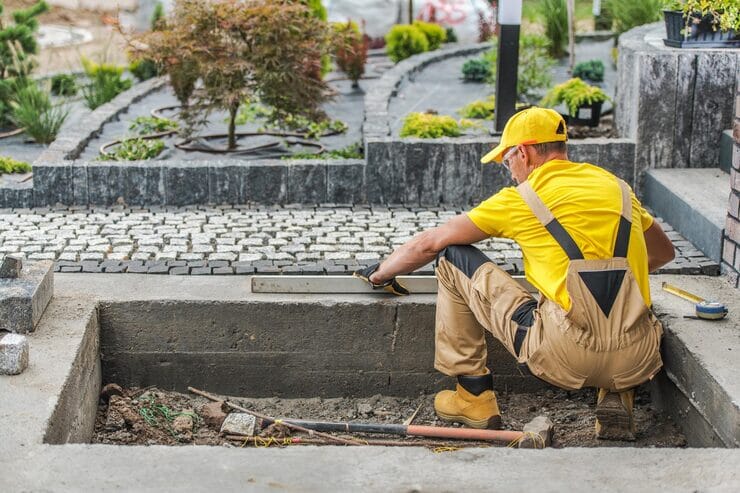
Excavation: Dig the hole slightly larger than the basin to allow for a proper backfill of gravel or concrete.
-
Connection: Securely attach your 4-inch or 6-inch outlet pipes using waterproof sealant.
-
Backfilling: Ensure the basin is level and stable before filling the space around it.
Maintenance
- Regularly lift the grate to remove trapped leaves and sediment from the bottom of the basin.
- Check the outlet pipes for signs of clogs or root intrusion.
- Ensure the grate is clear before a forecasted heavy rain or snow event.
Trust Vodaland Canada for your drainage needs
Your property deserves a drainage solution that stands the test of time. Vodaland Canada offers a wide range of Catch Basins tailored to our unique geography and weather patterns.